


 English
 中文简体
 Français
how do foaming bottles work: Applications, Selection Criteria, and Practical Guidance
Content
Foaming bottles have earned a permanent place in modern bathrooms, kitchens, and skincare routines. A single press delivers a cloud of dense, silky foam that spreads easily, lathers quickly, and rinses clean. It feels almost like a small magic trick. But the engineering behind it is refreshingly simple. Whether you are a curious consumer or a brand developer evaluating packaging, understanding how foaming bottles work helps you make better choices — and appreciate the clever design inside an everyday object.
The Basic Principle Behind Foaming Bottles
A foaming bottle is essentially a container for thin liquid soap, fitted with a pump that mixes air into the liquid at the moment of dispensing. Unlike a regular pump, which pushes concentrated soap straight out of the nozzle, a foaming pump draws liquid and air into the same chamber, then forces the mixture through a fine mesh screen. The screen shears the blend into tiny bubbles, and foam appears on your hand seemingly out of nowhere.
Three elements work together to produce that result:
- A diluted liquid: The soap solution inside a foaming bottle is much thinner than regular liquid soap. Water is a critical ingredient, not an afterthought.
- A two-chamber pump: One chamber handles the liquid, while the other draws in air. The two flows are kept separate until they meet at the mixing point.
- A mesh screen: This is where the physical transformation happens. The screen breaks the liquid-air mixture into small, stable bubbles.
The proportion of air to liquid is what gives the foam its body. Too little air and the output is watery. Too much and the foam collapses quickly. Foaming pump manufacturers tune their designs so the ratio stays consistent from the first press to the last drop.
The Role of Dilution
One of the most common misconceptions is that foaming bottles work with any soap. In fact, they need low-viscosity formulas. Most foaming hand soaps are diluted with water, often at a ratio around four parts water to one part soap. This thin solution travels easily up the dip tube and mixes evenly with air. When the mixture hits the mesh screen, the air becomes trapped in thin films of liquid, forming bubbles that hold their shape long enough for you to rub your hands together. The dilution also explains why refilling a foaming bottle with thick liquid soap is usually a mistake.
Anatomy of a Foaming Pump
To understand how a foaming bottle works in detail, it helps to look at the pump's components. Designs vary by manufacturer, but the core structure stays consistent across most products.
| Component | What It Does |
|---|---|
| Dip tube | Carries liquid from the bottom of the bottle to the pump |
| Liquid cylinder | Measures the amount of liquid drawn with each press |
| Air chamber | Pulls in outside air as the piston moves |
| Piston | Compresses liquid and air and pushes them toward the mixing area |
| Mixing chamber | Blends the liquid and air into a single flow |
| Mesh screen | Breaks the mixture into small, uniform bubbles |
Most internal parts are molded from polypropylene (PP) or polyethylene (PE), materials that resist the chemicals commonly found in soap and skincare formulas. This matters because the liquid stays in contact with the pump internals for weeks or months. A poorly sealed pump can leak, clog, or dispense uneven foam, which is why the quality of the pump is often the difference between a pleasant experience and a frustrating one.
The Step-by-Step Pumping Process
The sequence inside the pump happens in a fraction of a second, but it can be broken down into six clear steps:
- Press the actuator down, pushing the piston into the pump body.
- Liquid rises through the dip tube and fills the liquid cylinder.
- The air chamber opens and draws in air from outside.
- The piston forces both liquid and air into the mixing chamber.
- The mixture passes through the mesh screen and is sheared into bubbles.
- Foam exits the nozzle, ready to use.
When you release the actuator, a spring pushes the piston back to its starting position. The liquid cylinder refills and the air chamber resets, preparing the pump for the next press. This cycle is what keeps the foam output consistent, bottle after bottle.
Foaming Bottles vs. Regular Pump Bottles
Foaming pumps and regular pump dispensers serve different purposes. Choosing between them depends on the viscosity of your product and the experience you want to deliver.
| Feature | Foaming Pump | Regular Pump |
|---|---|---|
| Liquid viscosity | Thin, diluted formulas | Thicker, concentrated formulas |
| Air intake | Mixed with liquid during pumping | No air; liquid only |
| Output | Rich, ready-to-use foam | Smooth liquid stream |
| Typical uses | Hand soap, facial cleanser, body wash | Lotion, toner, sunscreen |
| Dilution required | Yes | No |
Foaming pumps are not a universal replacement for regular dispensers. A thick moisturizing lotion would clog a foaming pump, while an ultra-thin toner would pour out too quickly from a regular pump. The formulation decides which pump fits.
Cost is another factor. Foaming pumps typically contain more parts than simple lotion pumps, so the unit cost is slightly higher. However, because the soap inside a foaming bottle is diluted, a single bottle lasts longer in daily use. For consumer brands, that trade-off is often worth it: the foam experience feels more luxurious, and the diluted formula means less product is wasted per wash.
Choosing the Right Foaming Bottle for Your Product
For brands and manufacturers, the pump mechanism is only half of the story. The bottle body, capacity, and material affect how the product performs, feels, and looks on the shelf.
Material and Capacity
Foaming bottles are commonly made from PET, PETG, or PE. PETG offers glass-like clarity and a premium feel, making it a favorite for skincare packaging. PE provides flexibility and a softer touch. Each material also behaves differently with certain preservatives and fragrance oils, so compatibility testing is an important early step.
Capacity is another consideration. Compact 30ml and 50ml bottles suit travel sets, samplers, and single-use trials, while 200ml to 360ml bottles handle everyday hand washing or shower use. For refill stations and high-traffic settings, even larger formats can make sense.
For a foaming facial cleanser, a compact 50ml dispensing bottle is a practical choice for consumers who want a travel-friendly option without sacrificing the rich foam experience.
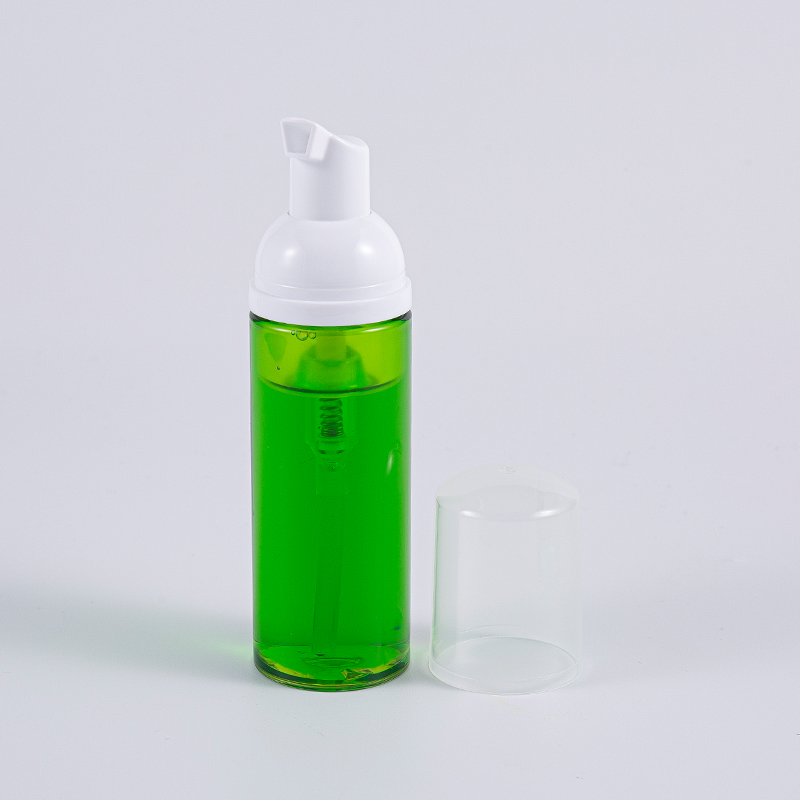 50ml PET Foam Dispensing Bottle for TravelThis compact 50ml PET bottle suits foam cleansers and makeup removers, ideal for travel or sample promotions while maintaining a rich foam experience.View Product →
For hand washing at the sink, a 200ml round foam pump bottle hits a comfortable balance between capacity and counter space, making it a popular choice for both home and office restrooms.
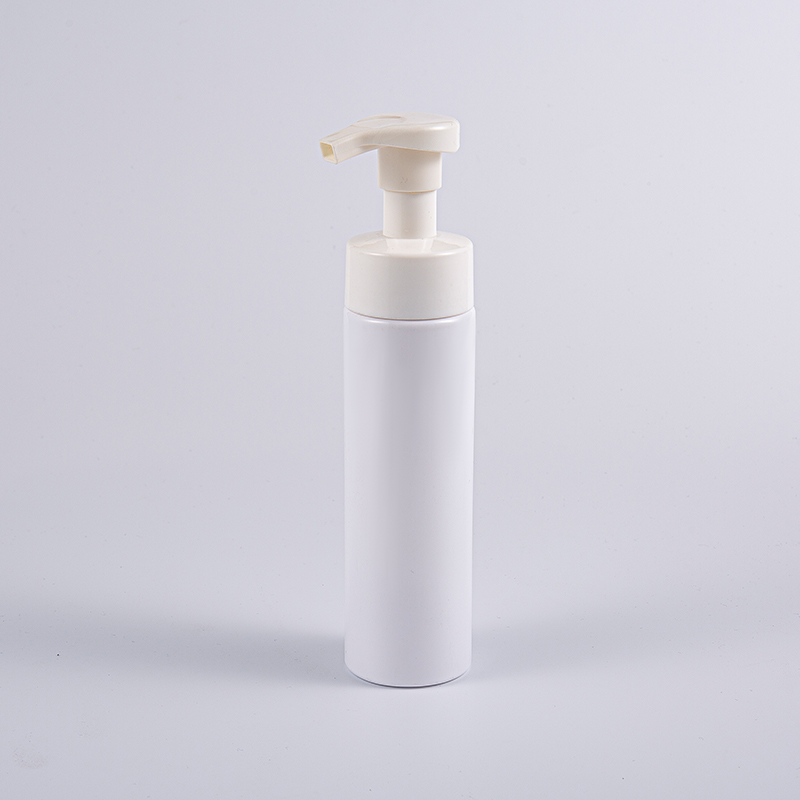 Versatile 200ml Round Foam Pump BottleThis 200ml PET cleansing bottle balances capacity and counter space, making it a popular choice for hand washing in home and office restrooms.View Product →
When the product is a body wash or shampoo intended for the shower, a larger 360ml dispensing bottle reduces refill frequency and works well for family-sized packaging.
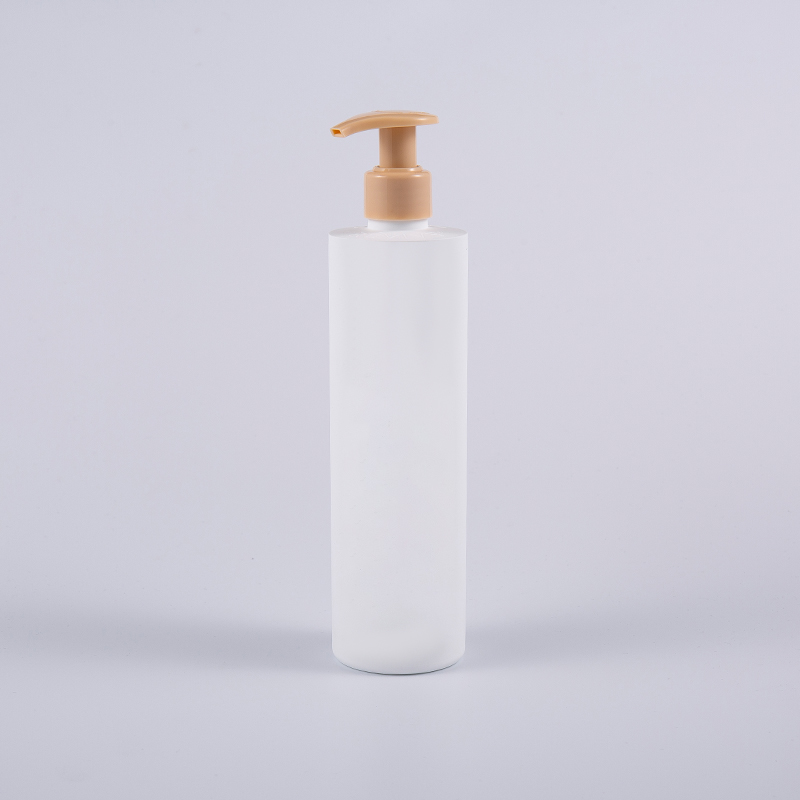 Family-Size 360ml Dispensing Cleansing BottleThis 360ml PE dispensing bottle reduces refill frequency for body wash or shampoo, ideal for family-sized packaging in shower use.View Product →
Beyond individual products, it is worth exploring our cleansing bottle series, which covers a wide range of capacities, materials, and closure options in one place. If you are curious about how everyday cleansing bottles are designed for real-world use, our guide to professional-grade cleansing at home offers a closer look.
Foaming bottles are a great example of how a simple mechanical idea can change the way people interact with everyday products. By combining a diluted formula, a two-chamber pump, and a fine mesh screen, they deliver a consistent cloud of foam with every press. For consumers, that means less waste and a more pleasant experience. For brands, it means an opportunity to differentiate through packaging that is both functional and memorable — provided the bottle, pump, and formula are chosen together.
PREV:No previous articleNEXT:How to Choose an Airless Bottle: The Complete Packaging Guide for Skincare Brands
Interested in cooperation or have questions?
Subscribe to us and
get the latest updates.
get the latest updates.
Stay In Touch

Product Links
Contact Us
-
Phone: +86-13567569350
-
Tel: +86-575-82575298
-
Email: [email protected]
-
Add: No. 5 Plant, Zhejiang Tengxin New Energy Industrial Park, Daoxu Street, Shangyu District, Shaoxing City, Zhejiang Province, China.
-
South Korean company: 태미코스
Tel: 010-5617-6888
Add: 서울특별시 금천구 가산동 60-46 더리즌밸리 801호
Copyright © Shaoxing Lizhi Plastic Products Co., Ltd.