


 English
 中文简体
中文简体 Français
Thick Wall PET & PETG Lotion Bottles: Materials, Thickness, and Supplier Tips
Content
Pick up a standard 50 ml PET lotion bottle in one hand and a thick-wall PETG bottle of the same volume in the other. The first flexes when you press the pump, and the side wall bows inward as the liquid level drops. The second holds its shape, feels almost as substantial as glass, and sits on the shelf with a weight that says premium. That difference is not a matter of luck. It is the result of two deliberate choices: the resin grade and the wall thickness.
For a brand that wants its lotion, serum, or cream to look premium in an increasingly crowded market, the conclusion comes first: choose thick-wall PET or PETG, verify the wall at the sample stage, and check how the closure performs before signing off a production order. This guide explains what "thick wall" actually means, how PET and PETG differ, what to inspect before approving a bottle, and which formats match which formulas.
What counts as a thick wall in PET and PETG bottles
Most standard cosmetic bottles are blow-molded with side walls between 0.3 mm and 0.6 mm. They are light and inexpensive, but they deform under squeeze, look hollow in the hand, and can collapse around the dip tube over time. Thick-wall PET bottles, by contrast, start at approximately 1.4 mm. That value is a useful benchmark because at 1.4 mm and above, the weight of the bottle stops being just a shipping cost and becomes a tactile brand statement. Premium thick-wall PETG lotion bottles and jars often reach 2.0–3.0 mm, especially in round shapes where the material distributes evenly during molding.
The distinction between PET and PETG matters more in thick-wall formats than in any other category. PET (polyethylene terephthalate) is rigid, economical, and well accepted in food and pharmaceutical containers. PETG (glycol-modified PET) is formulated to reduce crystallization, which improves transparency and gives a deeper, glass-like gloss. In thick-wall parts, PETG also flows into the mold more evenly. The practical result is fewer sink marks around the threads, a cleaner label panel, and more consistent wall distribution from shoulder to base.
| Property | Standard PET | PETG |
|---|---|---|
| Typical thick-wall range | 1.0–1.4 mm in most designs | 1.4–3.0 mm is common |
| Clarity and gloss | Good, with a slight bluish tint | Water-clear, high gloss |
| Mold flow in thick sections | Higher risk of voids and sink marks | Even fill, fewer surface defects |
| Drop resistance | Adequate, but can crack on hard impact | Tougher, better for pump-heavy routines |
| Typical use | Toners, cleansing liquids, food and pharma containers | Lotion, serum, cream jars, travel pumps |
If your formula is water-thin and price-sensitive, standard PET can still deliver a clean, solid feel at moderate thickness. If the product is a facial lotion or body cream where the bottle itself is part of the experience, PETG thick-wall is usually the safer trade-off.
Why thick-wall lotion bottles change how a formula is judged
The glass effect without the weight
Consumers do not read the resin grade printed on the base. They pick the bottle up, feel the resistance of the wall, and decide within seconds whether the product is worth its price. A thick-wall PETG bottle with an aluminum pump carries almost the same visual weight as glass, without the breakage risk and with lower freight cost per unit. That tactile advantage is one reason why thick-walled lotion bottles have become a new favorite in the beauty industry.
Stiffer walls protect both formula and dispenser
Thin bottles have a hidden problem: as the pump draws product, negative pressure builds inside, and the wall caves inward. Consumers see a dented bottle and assume the formula is running out. A thick wall resists that deformation, so the pump keeps drawing until the last few grams. The thicker wall also reduces oxygen ingress through the side, which matters for antioxidants, vitamin C, and other actives that degrade with exposure.
There is a functional limit, however. A wall that is too thick for the neck finish reduces the useful internal volume or forces the preform to stretch in ways that create thin spots at the shoulder. The balance between thickness and weight is not linear; two bottles can weigh the same while one has a uniform 1.6 mm wall and the other ranges from 1.2 mm to 2.1 mm. Consistency, not the nominal number, is what protects your filling line and your brand image. Consistency, not the nominal number, is what protects your filling line and your brand image.
What to inspect before you approve a thick-wall bottle
Before scaling a thick-wall bottle from sample to mass production, check four areas that cause most packaging complaints later.
Wall thickness consistency and weight tolerance
Ask the supplier for the average wall thickness and the expected weight tolerance across mold cavities. A nominal 20 g bottle that varies by ±1.5 g changes both the feel and the cost of every unit. Specify the minimum wall thickness at the sidewall rather than an average value; the thin point at the shoulder or base is usually what fails a drop test.
Neck finish and closure compatibility
The neck finish, for example 18/410, 20/410, or 24/410, has to match the pump or cap exactly. A thick wall reduces the internal diameter, so the dip tube length also has to be re-verified. Test the pump from the first stroke to the last dose; airless pumps and lotion pumps behave differently when the wall is stiff and the internal volume is slightly smaller than a thin-wall bottle of the same label size.
Material grade and compliance
Confirm whether the bottle is PET or PETG and whether the resin meets your target market's requirements. Some suppliers mark specific containers as suitable for food and pharmaceutical use, while others are designed purely for cosmetics. If your lotion contains alcohol or essential oils, check the chemical resistance of both the wall and the pump seals at the intended fill temperature.
- Measure the sidewall with calipers at the shoulder, body, and base of the sample.
- Weigh five samples from different cavities and record the variance.
- Run a full pump test until the bottle is empty and watch for wall collapse.
- Drop-test filled samples from one meter onto a hard surface at room temperature.
- Check clarity and color consistency under the lighting of your retail shelf.
Bottle formats that match real cosmetic formulas
Thick-wall packaging works across the full range of skin care, but the format has to match the viscosity and use case of the formula. For a lightweight facial serum, a clear 100ml PETG round lotion bottle with a white plastic pump gives a clean, clinical look and enough stiffness for pump dispensing. If you need a family of sizes from a single design, the 50ml to 200ml PETG round lotion bottle series with screw caps and small inserts covers tester, travel, and full-size SKUs with the same cap system. For richer creams and balms, a 120g transparent PETG thick wall cream jar with a white screw cap provides the heavy, glass-like base that makes a jar feel premium while staying shatterproof.
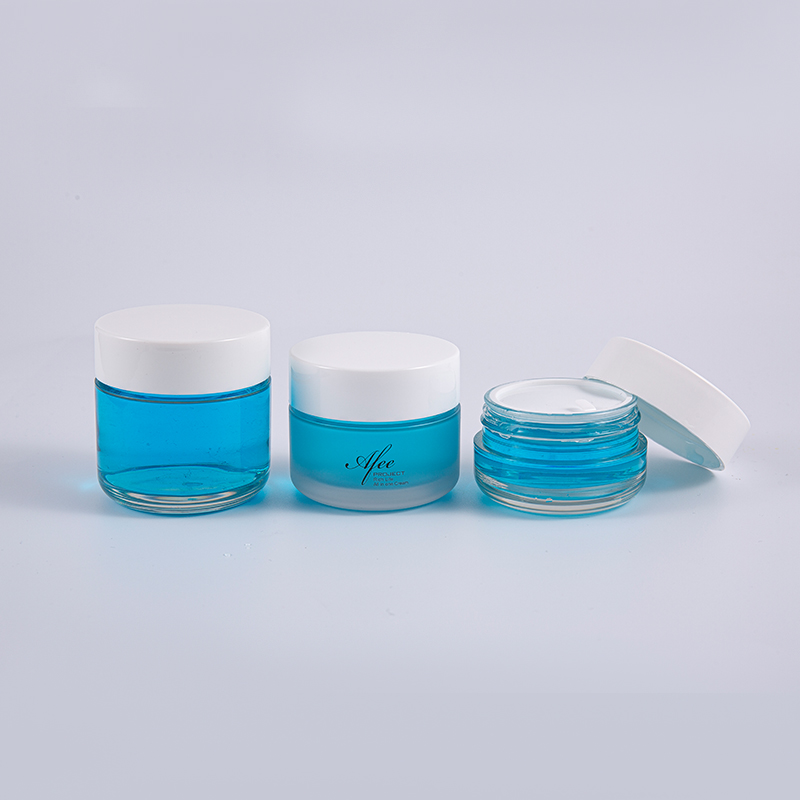 Wholesale Transparent round shape PETG 120g Thick Wall Cream Jar With White ScreShaoxing Lizhi Plastic Products Co., Ltd is China wholesale Transparent round shape PETG 120g Thick Wall Cream Jar With White Screw Cap s...View Product →
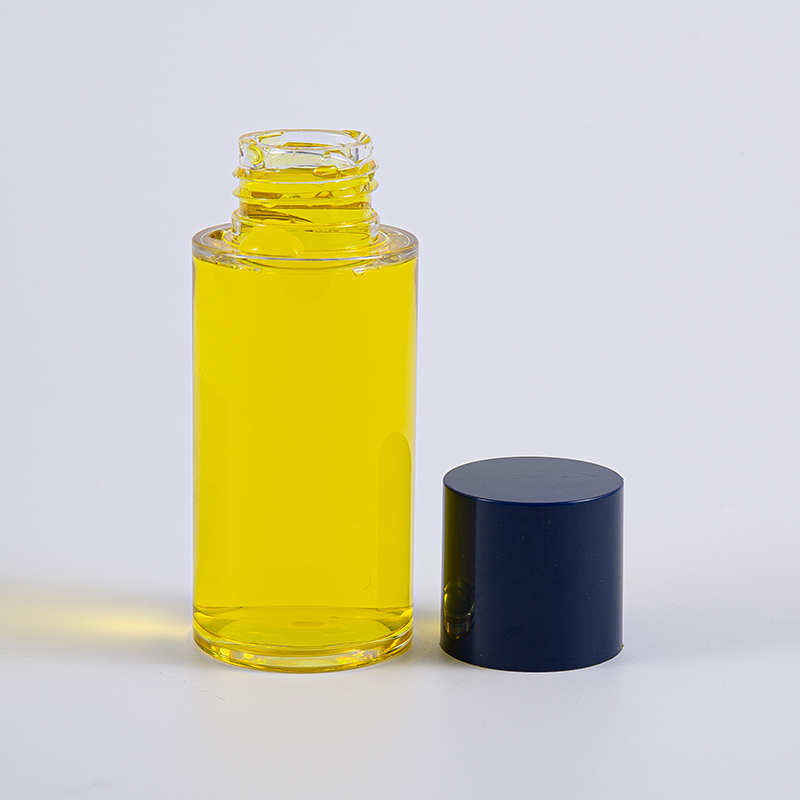 Wholesale 50ml 100ml 120ml 130ml 170ml 200ml PETG Round Lotion Bottle With RoundShaoxing Lizhi Plastic Products Co., Ltd is China wholesale 50ml 100ml 120ml 130ml 170ml 200ml PETG Round Lotion Bottle With Round Screw ...View Product →
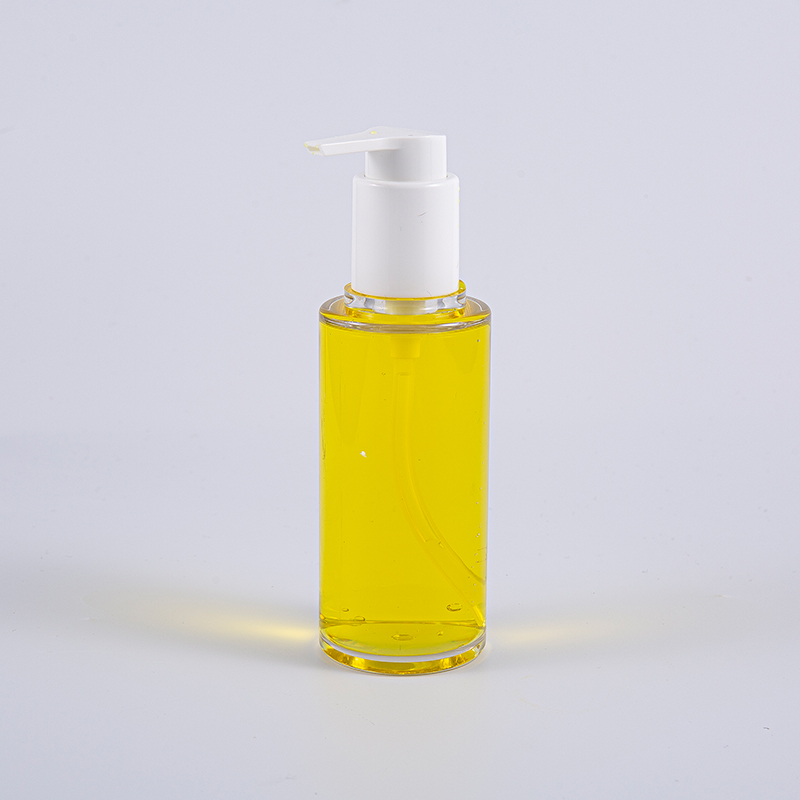 Wholesale Clear PETG 100ml Round Shape Lotion Bottle With White Plastic Pump SupShaoxing Lizhi Plastic Products Co., Ltd is China wholesale Clear PETG 100ml Round Shape Lotion Bottle With White Plastic Pump suppliers ...View Product →
Square PETG bottles with an aluminum pump work well for 50–150 ml facial moisturizers, where the angled panel adds shelf presence. Round bottles with screw caps and inserts are common in 35–200 ml sizes for lotion and body cream, and 15–30 ml versions are frequently used as travel or sampling units. The same structural discipline applies across all of them: verify the wall, check the cap torque, and confirm the pump crimp before committing to a full production batch. If you are new to packaging development, the journey from packaging concept to shelf is a good reminder of how many steps sit between the first drawing and the finished container.
One more sourcing note: a thick wall is only as reliable as the mold that produces it. When a supplier shows you a handsome sample, ask how many cavities the production tool has and what quality data they collect per batch. Wall-thickness readings, weight checks, and leak tests are the difference between a consistent premium product and an expensive packaging failure.
In short, thick-wall PET and PETG bottles deliver a glass-like feel at a practical cost, but only when the material, wall design, and closure are engineered together. Start with a clear wall-thickness specification, verify sample consistency across cavities, and choose a format that matches the formula's viscosity and dispensing behavior. Do that, and the bottle will sell the product before the first pump is pressed.
PREV:How to Choose Plastic Cream Jars for Cosmetic Packaging: A Complete GuideNEXT:Thick Wall Bottle Essentials: Why Premium Brands Choose Thick Wall Lotion Bottles
Interested in cooperation or have questions?
Subscribe to us and
get the latest updates.
get the latest updates.
Stay In Touch

Product Links
Contact Us
-
Phone: +86-13567569350
-
Tel: +86-575-82575298
-
Email: [email protected]
-
Add: No. 5 Plant, Zhejiang Tengxin New Energy Industrial Park, Daoxu Street, Shangyu District, Shaoxing City, Zhejiang Province, China.
Copyright © Shaoxing Lizhi Plastic Products Co., Ltd.